The One Day You're Not Allowed to Hustle: Europe's Sunday Secret
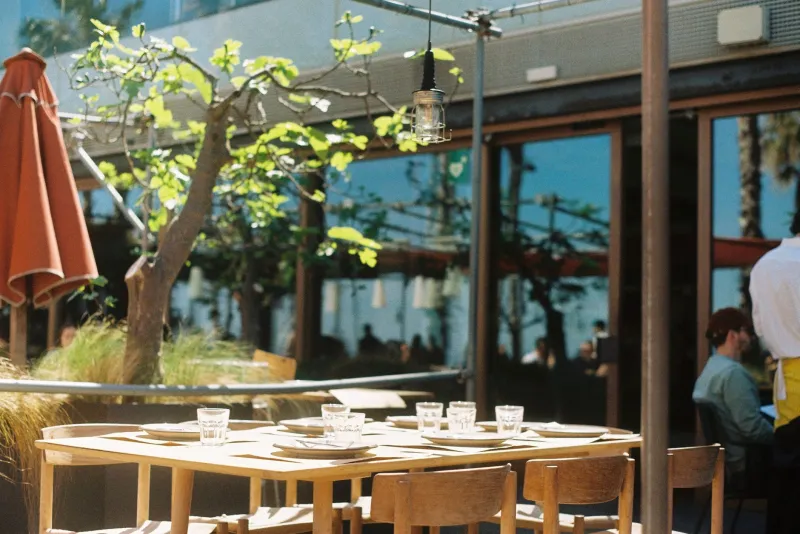
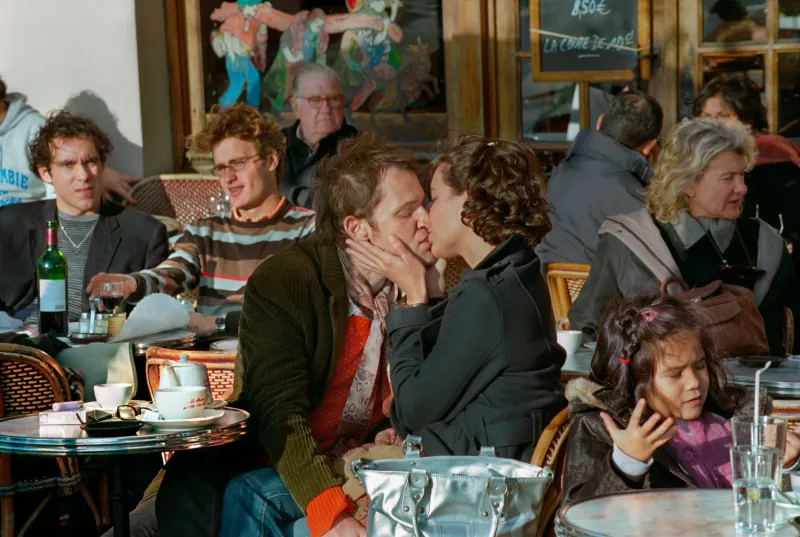
If you've ever wandered through a small French town on a Sunday morning, you've probably noticed something disorienting: almost nothing is open. The boulangerie might do a short morning shift. The café will have espresso and croissants until noon. And then, collectively, the whole place seems to exhale and close its eyes.
The first time this happens to an American traveler, the reaction is usually mild frustration. Where do I get groceries? Why is everything shut? But spend a few Sundays in Europe and something shifts. You stop looking for what's open. You start actually noticing where you are.
That, in a very small nutshell, is the point.
Sunday as a Cultural Institution
Across much of Europe — France, Germany, Austria, Switzerland, Scandinavia — Sunday retains a protected status that has survived secularization, globalization, and the relentless creep of digital commerce. The roots are religious, yes, but the practice has long since transcended any single tradition. It's become something more elemental: a cultural agreement that one day per week belongs to rest, family, and the kind of slow living that modern life constantly tries to squeeze out.
In Germany, Sonntagsruhe — Sunday quiet — is actually codified in law. Lawn mowers, power tools, and loud music are restricted. Retail stores remain closed. This isn't nostalgia for a simpler era. It's an active, defended choice about what kind of society people want to live in.
France's Sunday lunch is its own institution — a multi-hour affair that can stretch from noon to four in the afternoon, involving multiple courses, real conversation, and absolutely no checking of phones for work emails. In Scandinavia, the concept of friluftsliv — open-air living — turns Sundays into nature rituals, with families hiking, cycling, or simply sitting outside regardless of the weather.
The throughline across all of these variations is the same: Sunday is not available for productivity. It is deliberately, stubbornly unavailable.
Why This Actually Makes You Better at Everything Else
Here's the part that might surprise the hustle-culture devotees: Europeans aren't less productive because of their Sundays. In many cases, they're more productive — with several Northern European countries consistently ranking among the world's most efficient workforces despite (or because of) shorter working hours and protected rest days.
The science backs this up in ways that feel almost embarrassingly obvious once you hear them. The brain doesn't operate like a machine that benefits from continuous running. It operates more like a muscle — it needs recovery to perform. The psychological concept of cognitive restoration suggests that unstructured, low-demand time isn't wasted time. It's the time when your mind consolidates, resets, and quietly prepares for the next cycle of effort.
Beyond individual performance, there's the relationship piece. The European Sunday is almost always a collective experience — shared meals, shared walks, shared nothing-in-particular. This consistent, low-pressure togetherness is the kind of social bonding that gets crowded out in American life by packed schedules and the constant negotiation of availability. A standing Sunday lunch doesn't require planning. It just happens, every week, because that's what Sundays are for.
The American Sunday Problem
In the US, Sunday has quietly become the second Monday — or a frantic attempt to outrun it. Grocery runs, laundry, inbox triage, meal prep, kids' sports tournaments, the gym, the Target run that somehow takes two hours. And underneath all of it, the low hum of dread that's been branded, only half-jokingly, as the "Sunday Scaries."
The Sunday Scaries are, in a way, a diagnostic. When the last day before the workweek fills you with anxiety rather than restoration, it's a signal that the day isn't doing what it's supposed to do. You haven't actually rested. You've just done a different variety of task management.
The European model doesn't eliminate responsibility. It just refuses to let responsibility colonize every single hour of every single day. That refusal is an act of self-preservation — and, honestly, a quiet form of rebellion against a culture that has convinced people that busyness is the same thing as worth.
Building Your Own Sunday
You don't need a cultural overhaul or a country home in Provence to reclaim this. You need a few decisions and the discipline to hold them.
Start with one non-negotiable: no work on Sundays. Not email. Not Slack. Not "just a quick check." This is the hardest part for most Americans, and it's also the most important. The boundary has to be real to work.
Then fill the day with things that have no output. A long walk with no destination. A meal that takes two hours to cook and two hours to eat. A book you've been meaning to read. A phone call with someone you miss. A nap. These aren't indulgences — they're the architecture of recovery.
If you have kids, Sunday becomes even more powerful as a family anchor. A standing ritual — pancakes, a farmers market visit, a bike ride, whatever fits your family — gives everyone something to expect and return to. Predictable joy is underrated.
And if your work genuinely bleeds into weekends right now? Start smaller. Protect Sunday afternoon. Then Sunday morning. Expand the protected zone as you build the habit and prove to yourself that the world doesn't end when you step away.
Europe didn't build its Sunday culture by accident. It built it because someone, somewhere, decided that rest was worth protecting. You can make the same decision. Starting this weekend.