Why Doing Absolutely Nothing Might Be the Most Productive Thing You Do All Week
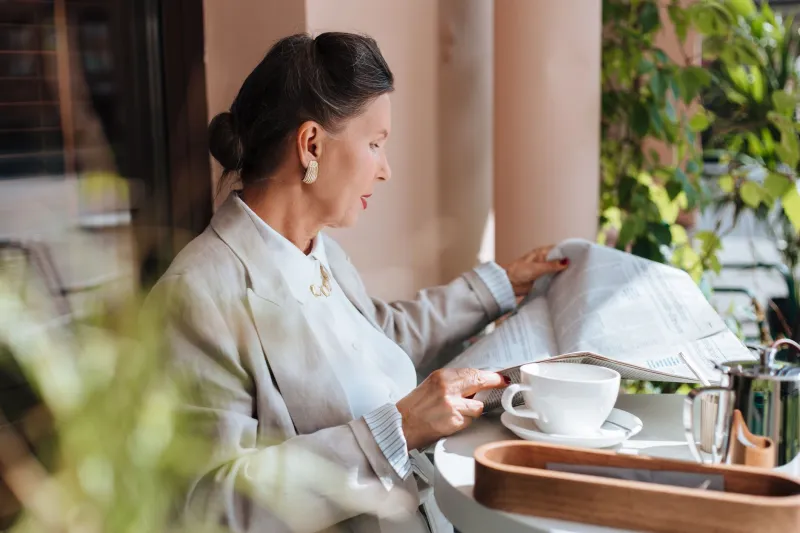
Somewhere between your third Slack notification and your second cold brew of the morning, you probably haven't stopped to consider what it would feel like to simply... not. Not optimize. Not hustle. Not even scroll. Just exist, pleasantly, in a moment that isn't going anywhere.
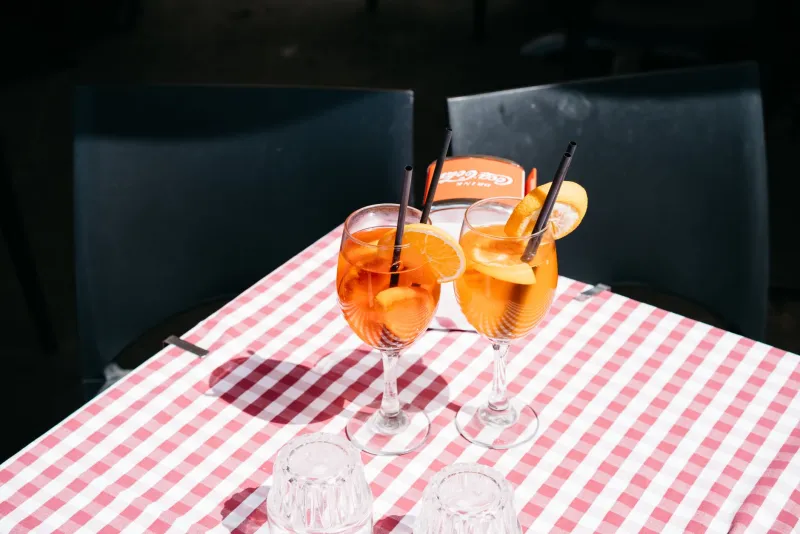
In Italy, they have a phrase for this: dolce far niente. The sweetness of doing nothing. And while Americans are currently paying anywhere from $3,000 to $12,000 for wellness retreats promising to teach them exactly this, Italians have been practicing it on park benches and café terraces for centuries — for the price of an espresso.
Something has clearly gotten lost in translation.
The Guilt We Can't Shake
Let's be honest about the American relationship with rest: it's complicated. Culturally, we've tied our self-worth so tightly to productivity that even vacations come loaded with itineraries. We "do" Paris. We "tackle" Italy. We return from trips exhausted and somehow proud of it.
"American clients come to me completely unable to tolerate stillness," says lifestyle coach Simone Archambault, who splits her time between Lyon and New York and works with high-achieving professionals on what she calls "intentional deceleration." "They sit down to rest and immediately feel anxious, like they're stealing time from somewhere. That guilt is deeply cultural. It doesn't exist in the same way in France or Spain."
Neuroscience is starting to back up what Europeans have intuitively practiced for generations. Dr. Marcus Ellery, a cognitive neuroscientist at NYU, explains that the brain's default mode network — the system that activates when we're not focused on tasks — is essential for emotional processing, creativity, and long-term memory consolidation. "We used to think this network was just the brain idling," he says. "Now we understand it's doing some of its most important work. When you never allow genuine rest, you're essentially interrupting a critical maintenance cycle."
In other words, the afternoon nap your Italian neighbor takes isn't laziness. It's neurological housekeeping.
What European Leisure Actually Looks Like
The misconception worth clearing up immediately: European-style rest isn't about doing nothing in the literal, comatose sense. It's about doing things that aren't optimized for output. There's a meaningful difference.
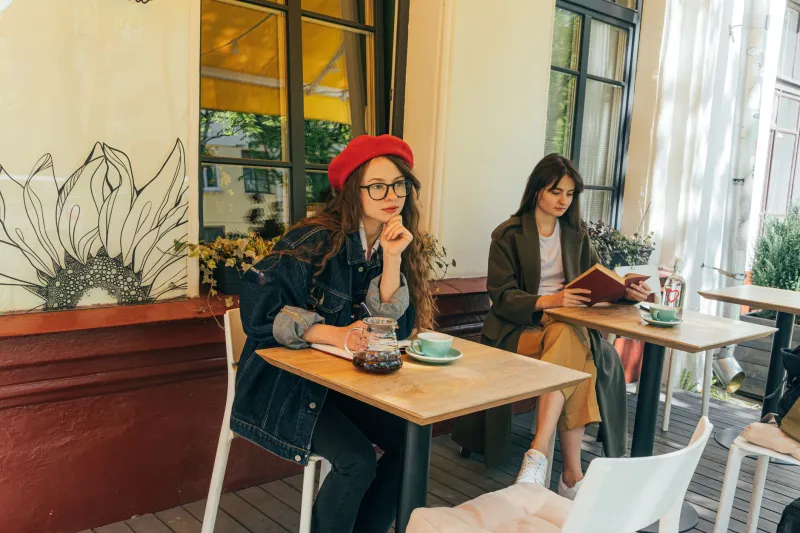
In Spain, the siesta culture — increasingly misunderstood as a quirky anachronism — was built around the biological reality that human alertness naturally dips in early afternoon. In France, the flânerie tradition (wandering with no destination and no agenda) was practically elevated to a philosophical practice. Scandinavian countries have friluftsliv, the concept of open-air living that prioritizes being in nature without goal or structure.
None of these involve a productivity app.
Francesca Moretti, a Milanese graphic designer who relocated to Chicago four years ago, describes the culture shock of her first American summer. "Everyone was always doing something. Even at the beach, people were on their phones, talking about work, planning the next thing. In Italy, the beach is sacred time. You go there to feel the sun and eat a peach. That's the whole point."
She laughs, then adds: "I've been told I seem very 'zen' here. In Italy, I was just normal."
The Wellness Industry's Expensive Repackaging
Here's where it gets a little ironic. The American wellness industry — worth over $480 billion and growing — has essentially taken European leisure traditions, rebranded them, and sold them back at a premium. Mindfulness retreats teaching you to sit quietly in nature. Digital detox weekends. "Slow living" courses. Forest bathing workshops.
None of these are bad, to be clear. If a $4,000 retreat in Vermont is what it takes to give yourself permission to stop, then maybe that's the price of unlearning decades of hustle culture. But there's something worth examining in the fact that rest now requires a purchase.
Simone Archambault sees this with her clients regularly. "They can't just rest. They need to be enrolled in resting. They need a framework, a certificate, a reason that justifies the time. The European approach is more radical because it doesn't justify itself at all. You rest because you're a human being, and human beings need rest. Full stop."
Small Shifts That Actually Work
You don't need to book a flight to Tuscany (though nobody's stopping you). The philosophy of dolce far niente is entirely portable. What it does require is a willingness to resist the reflex to fill every gap.
Protect one unscheduled hour per day. Not for errands, not for self-improvement podcasts. An hour with no agenda. Sit outside. Look at things. Let your mind wander without immediately capturing the thoughts in a notes app.
Eat without a screen. This sounds almost aggressively simple, but the European mealtime ritual — which treats eating as an event, not a fueling stop — is one of the most accessible entry points to intentional presence. The food tastes better, too.
Resist the vacation itinerary. Build in days with nothing planned. Europeans call this "being on holiday." Americans call it "wasting a day in Rome." One of these perspectives is correct.
Practice the art of the purposeless walk. Leave the podcast at home. Don't track your steps. Walk somewhere vaguely interesting and let yourself get a little lost. This is not inefficiency. This is how the brain refreshes.
Stop apologizing for resting. This is the hardest one. The language Americans use around rest is telling — we "allow ourselves" breaks, we feel we've "earned" downtime. The reframe European culture offers is simpler: rest is not a reward for productivity. It's a baseline human need, like water or sleep.
The Real Luxury
There's a reason Marie-Thérèse — as a sensibility, as a way of moving through the world — has always felt like an exhale. European style, at its core, isn't really about clothes or interiors or aesthetics. It's about a relationship with time that allows for beauty to be noticed, for pleasure to be unhurried, for life to be tasted rather than consumed.
The Americans who are spending thousands to learn dolce far niente aren't being foolish. They're recognizing, correctly, that something essential has been missing. The only question is whether, once they've paid for the lesson, they'll let themselves actually live it — or turn it into another item on the to-do list.
Somewhere in Rome right now, someone is sitting at a café with an espresso going cold, watching pigeons, thinking about nothing in particular. They are not behind. They are not failing. They are, by any honest measure, doing exactly right.