Sunday Is Not a To-Do List: What Europeans Know About Rest That Americans Have Forgotten
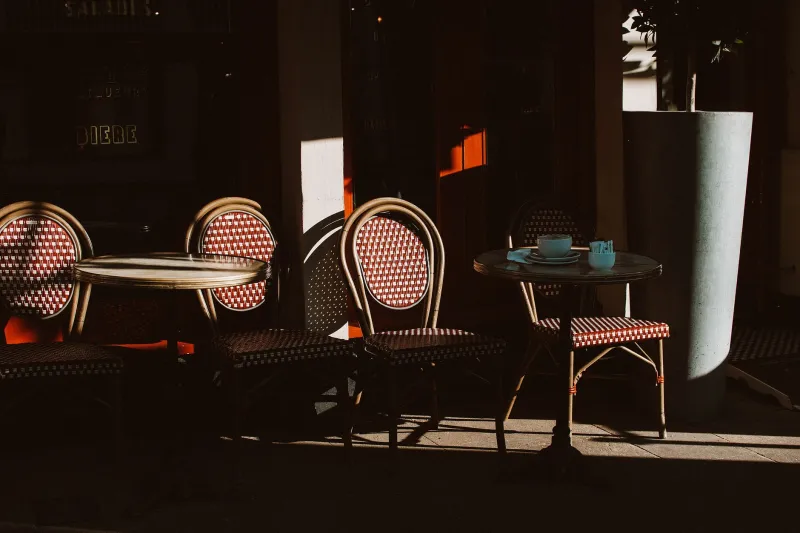
Somewhere between brunch reservations, a Costco run, laundry, and trying to squeeze in a workout, the American Sunday disappeared. Not into leisure — into logistics. And if you've ever arrived at Monday feeling somehow more exhausted than you were on Friday, you already know what I'm talking about.
Europe didn't get everything right. But Sunday? That one, they've largely figured out.
The Day That Belongs to No One
In Germany, there's an actual word — Sonntagsruhe — that translates roughly to "Sunday quiet." It's not just a vibe. In many parts of the country, it's the law. Loud construction, mowing the lawn, running certain machinery — all of it is restricted on Sundays. The cultural expectation is that the day should be calm, unhurried, and free from the noise of productivity.
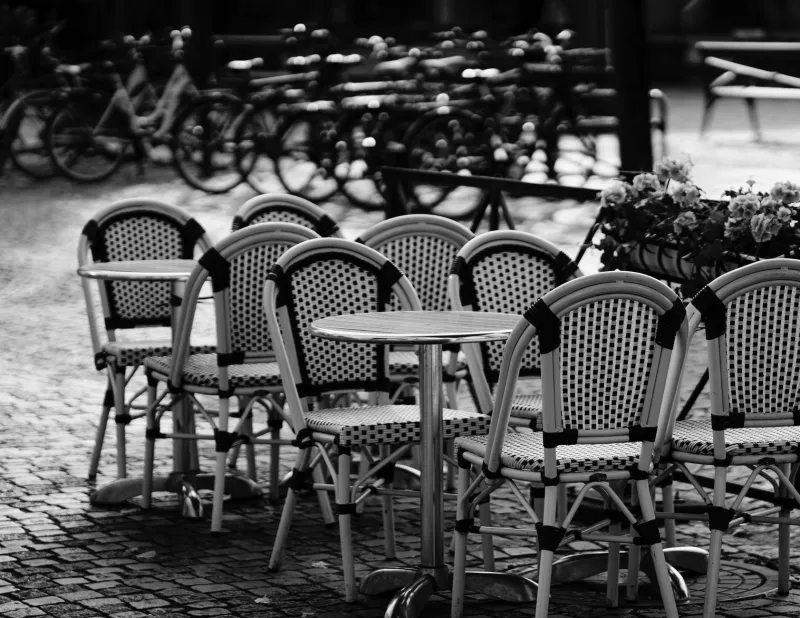
France has a similar rhythm. Most shops close. Markets wrap up by noon. The afternoon stretches out without any particular destination. Families gather for long lunches that blur into early dinners. Nobody is checking things off a list.
In Italy, the riposo tradition means that even the concept of urgency takes the day off. Sunday belongs to the table, the passeggiata, the slow walk through a piazza with nowhere specific to be.
None of this is accidental. It's a cultural agreement — reinforced through generations — that rest is not laziness. It's maintenance. It's what makes the rest of the week livable.
What Americans Did Instead
The American relationship with weekends is complicated by a deep cultural suspicion of idleness. The Protestant work ethic didn't just shape how Americans approach their jobs — it shaped how they feel about their days off. Rest has to be earned. And even once earned, it needs to be optimized.
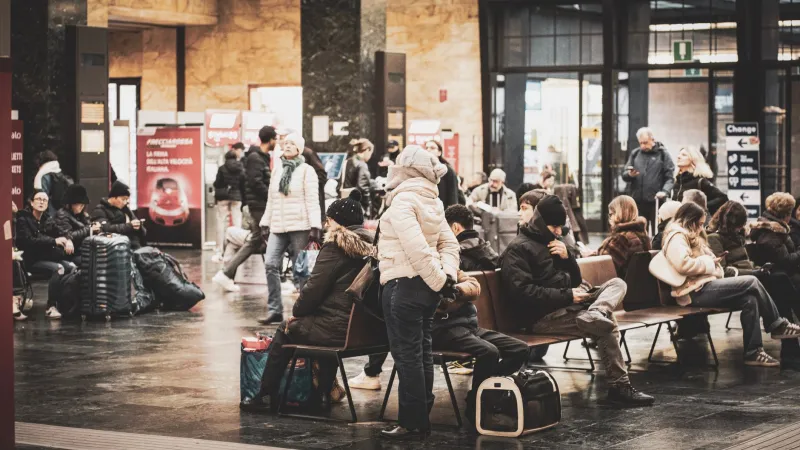
So the American Sunday became a second Saturday. Farmers' markets, yes — but also grocery hauls and meal prepping for the week. A morning run, sure — but also catching up on emails "just for an hour." Brunch, absolutely — but booked three weeks in advance, with a 45-minute wait, followed by a Target run and a home project that definitely won't finish itself.
We've turned recovery into a performance. Rest has to look productive or social or at least Instagrammable to feel justified. And underneath all of it is this gnawing anxiety: if I'm not doing something, am I falling behind?
Spoiler: you're not. But the culture doesn't always make that easy to believe.
The Psychological Cost of Scheduling Your Relaxation
Researchers have found that over-scheduling leisure actually diminishes its restorative effect. When rest becomes another obligation with a start time and an outcome, your nervous system doesn't fully disengage. You're not actually resting — you're just doing a different kind of task.
The European Sunday works, in part, because it's structurally protected. When the stores are closed and the culture doesn't expect productivity, you're not fighting against a current. The environment itself gives you permission to stop.
Americans, by contrast, are swimming upstream every Sunday. The Amazon delivery is still coming. The gym is open 24 hours. The emails don't stop. Every hour of true rest has to be actively defended against a thousand small intrusions.
No wonder we're tired.
What Reclaiming Your Sunday Actually Looks Like
You don't need to move to Bavaria to protect a day. But you might need to make a few deliberate choices — and then actually stick to them.
Close the tabs. Not just on your laptop. On your mental browser. Decide, the night before, that Sunday is not for catching up. It's not for getting ahead. It's for being present in whatever is actually in front of you.
Let it be unplanned. The European Sunday isn't a spa day or a wellness retreat. It's often remarkably ordinary — a walk, a meal that takes longer than it needs to, a book, a conversation that doesn't have a point. The magic is in the absence of agenda, not the presence of a perfect activity.
Protect the morning. Resist the urge to schedule anything before noon. Even if you're up early, let the hours unspool without direction. Make coffee slowly. Sit somewhere with light. Don't reach for your phone first thing.
Eat something that takes time. In Europe, the Sunday meal is a ritual. It doesn't have to be elaborate — but it should be unhurried. Cook something. Eat it at a table. Let the meal last longer than the food requires.
Say no to the errands. This one is hard. But the grocery store will be open Monday. The dry cleaning can wait. Every errand you run on Sunday is a small vote against your own rest. Cast fewer of those votes.
The Permission You've Been Waiting For
Here's the thing nobody tells you: Europe's Sundays aren't more peaceful because Europeans are lazier or less ambitious. They're more peaceful because an entire culture decided, collectively, that rest is not the opposite of success — it's a precondition for it.
You don't have to wait for your city to pass a Sonntagsruhe ordinance. You just have to decide, this week, that Sunday belongs to you. Not to your to-do list. Not to your inbox. Not to the version of yourself that's always preparing for what comes next.
Just you, a slow morning, and absolutely nowhere you have to be.
That's not falling behind. That's how you stay ahead.