The Third Place Problem: What Happens to a Community When the Café Disappears
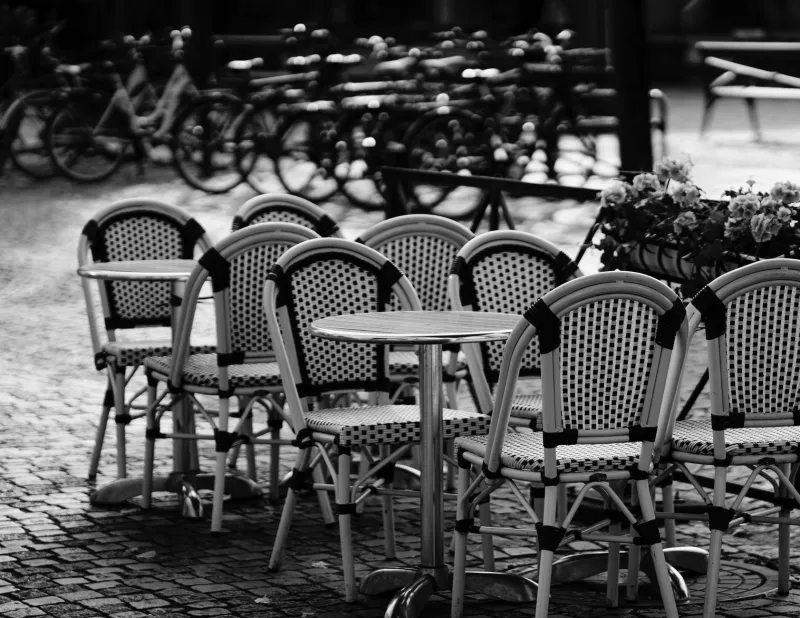
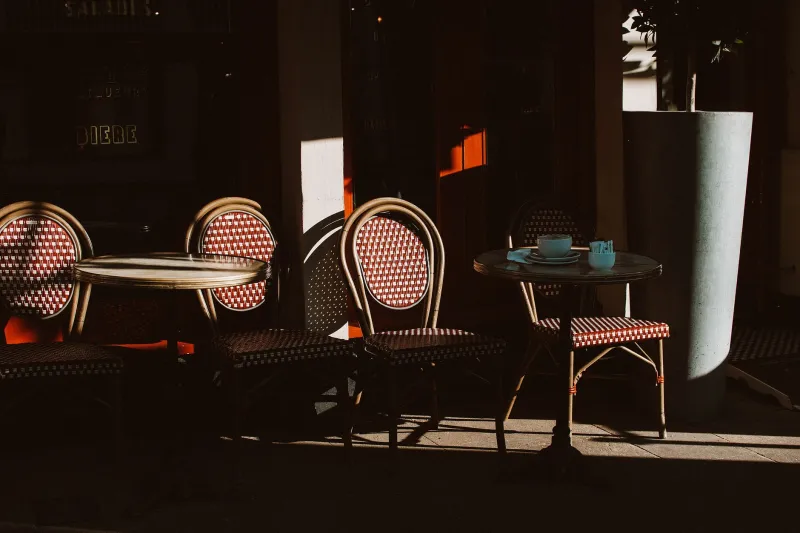
Picture a small square in a Portuguese town on a Tuesday morning. A café with four outdoor tables. An older man reading a newspaper. Two women catching up over espresso. A shopkeeper leaning in the doorway. Nobody made a plan to be there. Nobody is performing community for social media. They're just — there. Together. In the same place at the same time, the way people in the same town tend to be when the town is designed to make that easy.
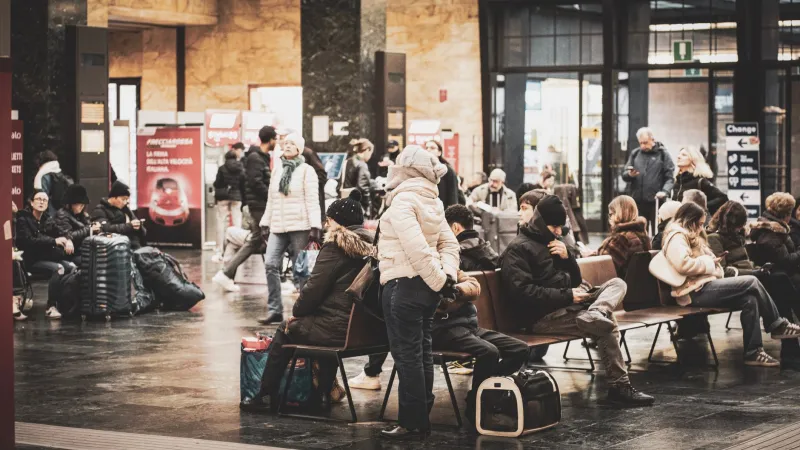
Now picture a Tuesday morning in a typical American suburb. Everyone in their car. The coffee from a drive-through. The commute alone. The day beginning in isolation and, for many people, never really leaving it.
This isn't a small difference. It's an architectural one — and it shapes everything about how connected people feel to each other and to the places they live.
The Third Place, Explained
Sociologist Ray Oldenburg coined the term "third place" back in 1989, and the concept is simple: your first place is home, your second is work, and your third is the informal gathering spot where community life actually happens. The pub. The barbershop. The town square. The café.
Third places aren't organized. You don't need a ticket or a reservation or a reason to be there. You just show up, and there are other people, and something social happens — or doesn't, but either way you're present in the fabric of your neighborhood.
In much of Europe, the café has been the primary third place for centuries. Not the American version — a table you claim for two hours with a laptop and noise-canceling headphones — but a bar or café where you stand at the counter for five minutes, drink your espresso, exchange a few words with the barista and whoever's next to you, and go on with your day. The interaction is brief. The cumulative effect, over years of brief interactions with the same people in the same place, is profound.
You know your neighbors. Not as a fact, but as an experience.
How American Design Engineered Loneliness
The American suburb was not designed for accidental human contact. It was designed for the car.
Post-war zoning laws separated residential areas from commercial ones, which meant you couldn't walk to a shop, a café, or a bar from your house — you had to drive. Strip malls replaced town centers. Parking lots replaced plazas. The logic was efficiency and privacy: everyone in their own home, their own yard, their own car, going to their own destinations.
It worked, in a narrow sense. But it also quietly dismantled the conditions that make community life possible. When you have to decide to see someone — schedule it, drive to it, commit to it — the spontaneous social interactions that third places depend on simply don't happen. And spontaneous interaction is, it turns out, the kind that matters most for a sense of belonging.
Research from Julianne Holt-Lunstad and others has consistently shown that loneliness is a serious public health issue in the United States — comparable in health impact to smoking. It's not that Americans don't want connection. It's that the built environment doesn't support it.
What the European Town Center Actually Does
The café in a European town isn't just a business. It's a node in a social network that sustains the entire community.
When people gather regularly in the same physical space, they build what sociologists call "weak ties" — not close friendships, but the low-grade familiarity that makes a place feel like home. You know the face of the man who orders after you. You recognize the couple that always sits by the window. You hear about local events without seeking them out. You feel, in a way that's hard to quantify but impossible to fake, like you belong somewhere.
This has economic effects, too. When people feel connected to a place, they spend money there. They support local businesses not out of ideology but out of affection — because those businesses are part of their daily life, not just a transaction. The café owner knows your name. The baker remembers what you like. The butcher asks about your kids.
This is what disappears when the strip mall replaces the town center. Not just the aesthetic, but the entire social economy that the physical space was sustaining.
What Some American Communities Are Getting Right
It would be easy to leave this as a lament, but the story isn't entirely bleak. Across the country, there are communities actively trying to rebuild what the post-war suburban model dismantled.
Urbanists and planners have been advocating for mixed-use zoning — policies that allow residential, commercial, and civic spaces to exist in proximity, the way they do naturally in European towns. Cities like Portland, Denver, and Asheville have invested in walkable neighborhoods where cafés, bookstores, and parks are accessible on foot. The results aren't just aesthetic — residents in these neighborhoods consistently report higher levels of social connection and community satisfaction.
The coffee shop as third place is also having a genuine cultural moment in the US, albeit unevenly. Independent cafés in urban neighborhoods are increasingly functioning as community anchors — hosting local events, serving as informal offices for freelancers who want human contact, becoming the places where neighbors actually meet each other. The challenge is making this accessible beyond gentrifying urban cores.
What You Can Do, Right Now
You probably can't rezone your suburb this week. But you can make different choices about where you spend your time and your money.
Find your local third place and become a regular. Not a customer — a regular. Show up often enough that people know your face. Order the same thing. Stay a little longer than you need to. Let the place become familiar.
Walk more, drive less. Even in car-dependent areas, there are usually pockets of walkability that most residents ignore. Find them. Use them. The walk itself creates the conditions for accidental encounters.
Support independent businesses over chains. The Starbucks drive-through is efficient. The independent café two blocks away is a potential third place. They need your patronage to survive, and your community needs them to survive.
Advocate for better urban design. Local zoning decisions shape the physical conditions for community life. Pay attention to them. Show up to planning meetings. Support candidates who understand that walkability isn't a luxury — it's infrastructure for human connection.
The Square Is Still There, Somewhere
The longing for a place where you're known — where you can sit down with a coffee and be part of something without scheduling it — is not nostalgia. It's a basic human need that the European town center has been quietly meeting for centuries.
America has the appetite for it. The design just has to catch up.
Find your square. Become a regular. Let the café do what cafés were always meant to do.
The rest will follow.