Stay a Little Longer: The Lost Art of the Unhurried Conversation
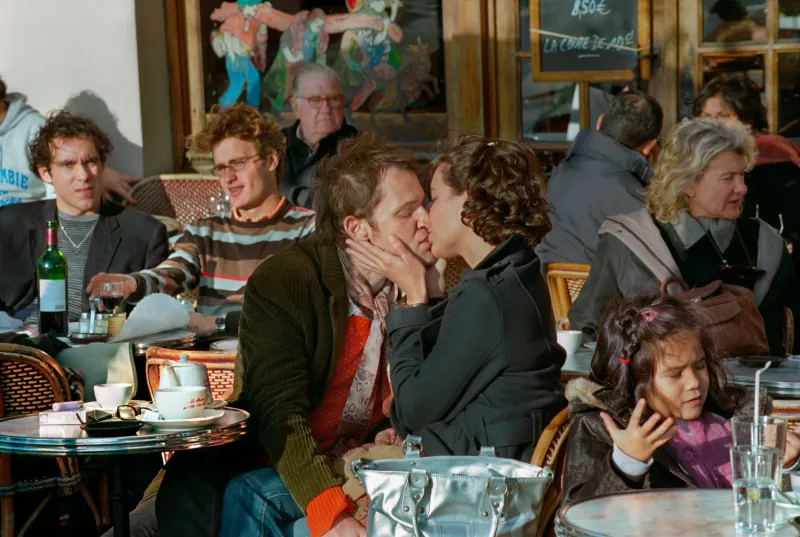
There's a small café in Lyon — the kind with mismatched chairs, a chalkboard menu, and an owner who greets you like you owe him nothing except your presence — where I once watched two men in their sixties talk for three and a half hours over two coffees and a shared carafe of water. No laptops. No glancing at the door. Just two people, completely absorbed in whatever thread they were pulling on that particular Tuesday afternoon.
I remember checking my own phone instinctively, the way you do when you feel vaguely guilty about existing without a purpose. And then I caught myself. Because those men didn't look like they were wasting time. They looked like they were doing something sacred.
The Café as a Room of One's Own
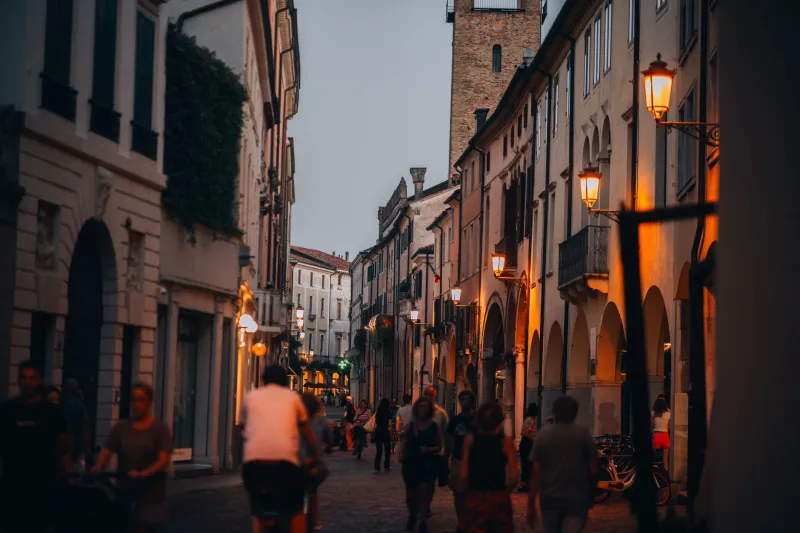
In France, Italy, Austria, and across much of continental Europe, the café has historically functioned as a kind of democratic living room — a place where philosophers argued, artists conspired, and ordinary people simply were with one another. The Viennese coffeehouse culture is literally on UNESCO's Intangible Cultural Heritage list. Think about that for a second. The act of sitting and talking, unhurried, has been deemed worth protecting as a piece of human civilization.
In America, we've built a very different relationship with public space and with time itself. Coffee shops are optimized for throughput. The to-go cup is practically a national symbol. We schedule "coffee" in thirty-minute blocks, treat it as a warm-up to something more important, and apologize if we run over. The idea of arriving somewhere with no agenda, no endpoint, and no deliverable at the end feels almost transgressive.
And yet — what are we actually gaining from all that efficiency?
What We're Actually Losing
Research on friendship and social connection consistently points to something that feels obvious once you hear it: depth requires duration. The kind of conversation that actually shifts something in you — that makes you see a problem differently, that reminds you who you are, that occasionally cracks you open in a way you didn't expect — doesn't happen in twenty minutes. It happens in the second hour, after the small talk has burned off and you've both relaxed into something more honest.
But American social culture rarely makes room for that second hour. We're so afraid of being perceived as unproductive, of taking up too much of someone's time, of not having a "point" to the gathering, that we cut ourselves off right at the moment when things might actually get interesting. We mistake the beginning of a conversation for the whole thing.
And then we wonder why we feel lonely in a world full of people we technically know.
The Phone Problem Nobody Wants to Admit
There's another layer here, and it's uncomfortable. Even when Americans do sit down together with time to spare, the phone is almost always a third party at the table. We check it reflexively, compulsively — not because something urgent is happening, but because we've trained ourselves to treat the present moment as something to escape from rather than settle into.
In many European social settings — particularly among older generations, but increasingly among younger ones who've consciously pushed back — phones stay in pockets during meals and conversations. Not as a rule, exactly, but as a kind of shared understanding that the person in front of you deserves your actual attention. That what's happening here is the thing, not whatever notification is piling up somewhere else.
It sounds simple. It is, in theory. But try it in a social setting in most American cities and you'll feel the pull almost immediately — that low-grade anxiety of being unreachable, of missing something, of not performing your own busyness for an invisible audience.
Conversation as a Creative Act
Here's what the Europeans figured out — or rather, never forgot — that we're slowly rediscovering: long, open-ended conversation is genuinely generative. Not in a hustle-culture, "brainstorming session" way, but in the deeper sense that letting your mind wander in dialogue with another person is how ideas actually form. How you process things you didn't know needed processing. How you arrive at thoughts you couldn't have reached alone.
The Parisian intellectual tradition, the Roman passeggiata that bleeds into hours at a bar, the Spanish sobremesa — that beautiful word for the time spent lingering at the table after the meal is done — all of these are built on the understanding that conversation has its own organic rhythm, and that interrupting it prematurely is a kind of loss.
You don't network your way into a real friendship. You linger your way into one.
How to Start Lingering (Without Moving to Europe)
You don't need to relocate to adopt this. What you need is a small, deliberate shift in how you frame social time — and maybe a little permission to stop treating every hour as something to be optimized.
Leave the agenda at home. Next time you meet a friend for coffee, try not planning what you want to cover. Let the conversation go where it goes. Resist the urge to steer it toward a resolution.
Book longer than you need. If you think you need an hour, block two. Not because you have to fill them, but because having the space removes the low-level pressure that kills good conversation before it starts.
Put the phone face-down — or better, in your bag. This one is harder than it sounds. Do it anyway. Notice what happens to the quality of your attention after about fifteen minutes.
Find a place that rewards staying. Seek out the kind of café or restaurant that doesn't rush you. In most American cities, they exist — you just have to look past the places optimized for laptop workers and quick lunches.
Let silences breathe. European conversation isn't constant chatter. There's comfort in pauses, in sitting with a thought before responding. That comfort is something you can practice.
The Radical Act of Being Present
Lingering, at its core, is a form of respect — for the person you're with, for the conversation itself, and honestly, for your own inner life. It says: this matters more than whatever I'm supposed to be doing next. In a culture that worships productivity and treats rest as something you have to earn, that's not nothing. That's actually quite a lot.
Marie-Thérèse has always believed that the most stylish thing you can do isn't wear the right thing or go to the right place. It's to be fully, unhurriedly there — wherever there happens to be. The Europeans didn't invent that idea. But they've certainly kept it alive.
Maybe it's time we borrowed it back.