You Flew Across an Ocean to Check Out Early
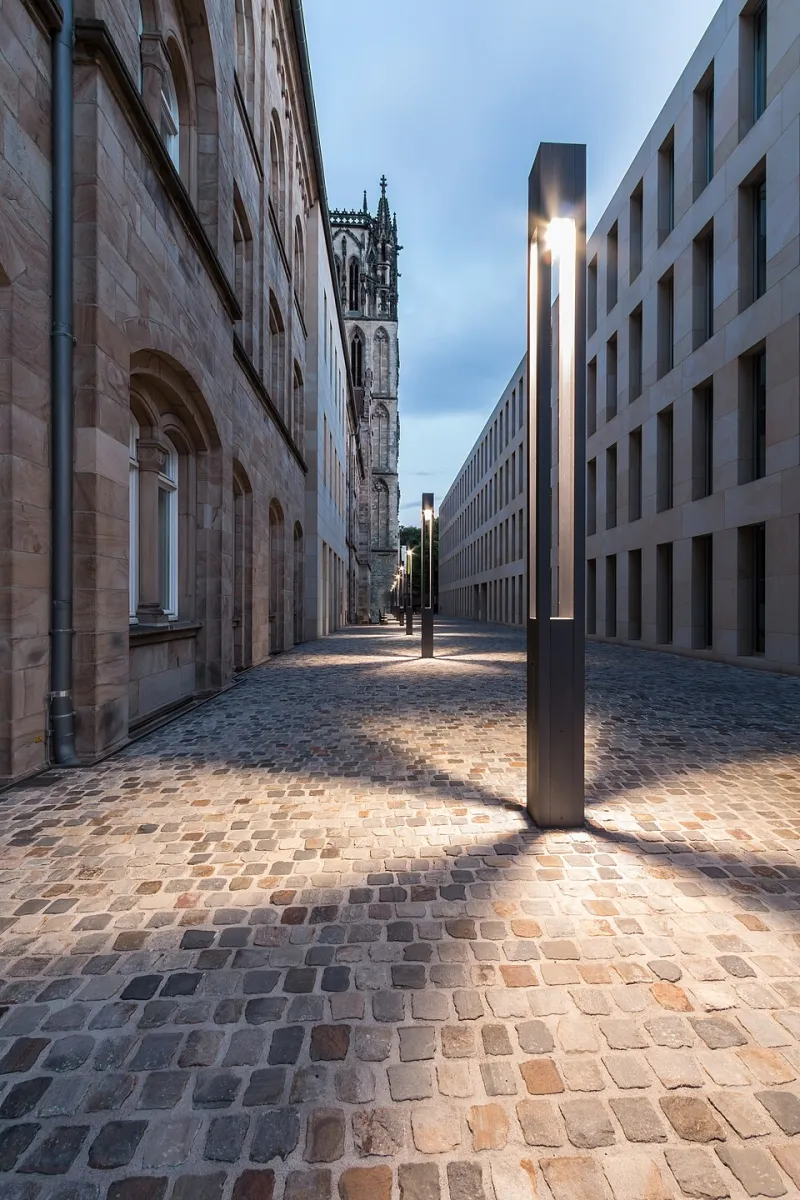
Photo: Dietmar Rabich, CC BY-SA 4.0, via Wikimedia Commons
There's a particular kind of exhaustion that shows up on the flight home from Europe. You can spot it in the terminal at JFK: the American traveler, sunburned, scrolling through 600 photos of places they stood in front of for eleven minutes each, trying to remember which cathedral was which.
We did it again. We flew 4,000 miles — crossed an ocean, spent real money, burned precious PTO — to see Europe at a pace no European would ever tolerate. Paris on a Tuesday, Bruges on a Wednesday, Amsterdam by Thursday night. Seven cities in ten days. It's not a vacation. It's a scavenger hunt with jet lag.
And the strange part? We did it in pursuit of rest. The whole premise of the trip was to slow down. Then we reassembled the trip in the exact shape of our American lives: optimized, maximized, measured in output.
The Itinerary Is a To-Do List
Look at how we plan. Open your notes app. There's a spreadsheet. There are time blocks. There's a color-coded day for Rome that would make a project manager weep. The 9:40 entry at the Vatican, lunch squeezed in at 1:15, the Trevi Fountain by 3, because the Colosseum slot is at 4:30.
We've imported the productivity sprint into the one place designed to escape it. The trip becomes another quarter to crush. And when we get home, we don't feel restored — we feel like we completed something. Which is not the same thing at all.
Europeans, meanwhile, take four, five, six weeks off a year, and they spend those weeks doing something almost radical to us: staying put. Renting the same house in the Dordogne every August. Going back to the same pension on the Amalfi Coast. The repetition isn't a lack of imagination. It's the point. Familiarity is what lets the nervous system finally exhale.
What Slow Travel Actually Looks Like
Slow travel isn't laziness, and it isn't boring. It's a different unit of measurement. Instead of counting cities, you count mornings. Here's the framework I've started using, and it has changed everything:
One base, minimum five nights. Pick a place — a neighborhood, a small town, an apartment with a kitchen — and stay. You stop being a tourist in transit and start being, briefly, a local. The barista recognizes you by day three. That recognition is worth more than any museum.
One anchor per day. Book exactly one thing: a museum, a hike, a wine tasting. Everything else is negotiable. This sounds terrifying to the American planner brain. Try it anyway. The unstructured afternoon is where the good stuff lives — the wrong turn that leads to the best meal, the two-hour lunch you didn't plan.
The market morning. Once a week, minimum, go to a food market and buy your breakfast. Do not photograph it for anyone. Eat the peach. It will be the best peach of your life, and it costs a euro, and the reason it tastes better is that you have nowhere to be.
A recovery day with no name. Schedule a day and refuse to label it. Not a 'rest day' — that's still productivity language. Just a day. Sit in a square. Read. Watch the town run its errands.
Recovery Is the Itinerary
Here's the reframe that finally stuck for me: instead of planning a trip and hoping rest happens, plan the rest and let the trip happen around it. Ask yourself before booking: What would make me come home lighter than I left?
For most of us, the honest answer is not 'seven cities.' It's sleep without an alarm. Long dinners. Walking with no destination. The things we keep promising ourselves we'll do at home and never do.
The math works out, too. One apartment for a week in Lyon costs less than four hotels, four train tickets, and the airport lunches in between. You do less laundry of sightseeing and more actual living.
Europe has been telling us the secret for decades, every time we blow past it on the high-speed train: the thing worth flying across an ocean for isn't the landmark. It's the pace. And the pace, unlike the landmark, you can't photograph. You can only keep it.