The Hour Nobody Schedules Is the Hour That Saves You

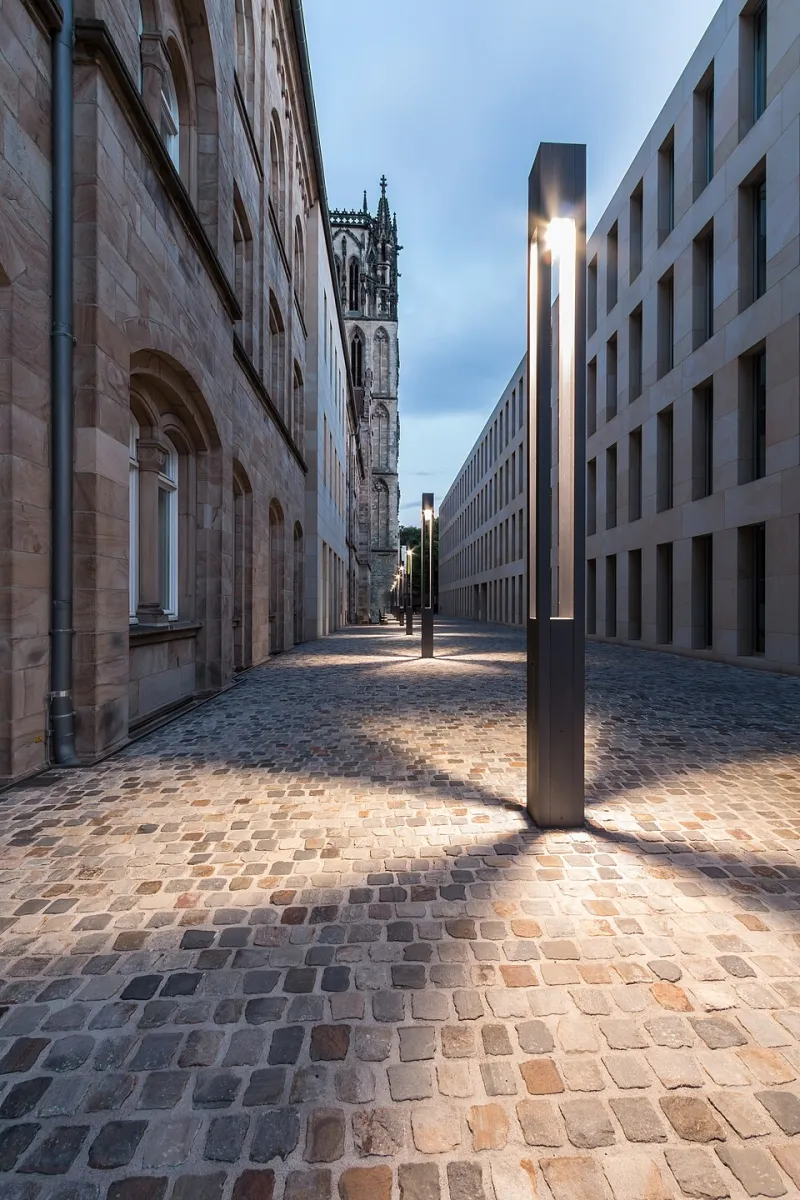
Photo: Dmitry Makeev, CC BY-SA 4.0, via Wikimedia Commons
There's an hour in the day that belongs to no one. It starts when you close the laptop and ends when dinner starts, and in most American households it is the most chaotic, least examined slice of the entire day.
Watch how it gets spent. Errands stacked like Jenga: dry cleaning, grocery run, package pickup. Or a second workout, because the morning one 'didn't count.' Or — most common and most corrosive — the horizontal scroll, phone in hand, standing at the kitchen counter eating shredded cheese over the sink, decompressing in the least decompressive way possible.
Now watch the same hour in Lyon, in Lisbon, in Ljubljana. The laptop closes and people go out. Not to errands. Not to the gym. To the terrace. To the café where the waiter already knows the order. To the bench where the neighbor is already sitting. There's a glass of wine, there's a conversation that goes nowhere in the best way, and then, eventually, dinner — which itself is unhurried, but that's another article.
The Transitional Hour Is Not Wasted Time
The American instinct is to see this hour as a gap to be optimized or eliminated. Get home faster. Meal-prep through it. Squeeze in the Peloton. The hour feels guilty precisely because it produces nothing measurable.
But that's exactly the point. Sociologists call this kind of unstructured, low-stakes social contact 'weak ties' — and the research keeps finding that these small interactions are disproportionately responsible for our sense of belonging. The barista, the neighbor, the guy at the café who comments on the weather. None of them would make your emergency contact list, and all of them are quietly holding your psyche together.
The 5 PM terrace hour is where weak ties get their reps in. Delete it from the schedule, as we effectively have, and you don't just lose an hour. You lose the connective tissue between your work self and your home self — the decompression chamber that lets you arrive at dinner as a person rather than a compressed file of the workday.
Why It's Harder Here — and Why That's Not the Whole Story
Let's be honest about the structural differences. The European after-work hour exists partly because of infrastructure: cafés within walking distance, cities built around lingering, workdays that actually end, commutes measured in minutes rather than forty-five miles of brake lights.
But Americans over-index on the infrastructure excuse. Because plenty of us have a porch, a stoop, a courtyard, a corner bar, a neighbor we've never spoken to beyond a wave. What we lack isn't the terrace. It's the permission — the cultural signal that sitting down with nothing to show for it at 5:30 PM is a legitimate use of a life.
We've turned the after-work hour into a second shift: logistics, self-improvement, screens. All three are forms of hiding. All three keep the nervous system in the exact posture the workday put it in.
Reclaiming the Hour, American Edition
You cannot import a Parisian café culture into a suburb overnight. But you can run a personal pilot program:
Create a hard edge. When the laptop closes, change clothes — physically mark the end of work. The hour begins with a threshold.
Get outside before going inside. Even ten minutes on the stoop, the balcony, the sidewalk. The transition happens outdoors or it doesn't happen.
Make one standing appointment a week. A neighbor, a friend, a 'same time Thursday' drink. Spontaneity is lovely but fragile; ritual is durable.
Ban the phone from the hour. Not forever. Just the hour. Notice how long sixty minutes actually is when you're not refreshing anything.
Do nothing, on purpose, at least once a week. Sit. Look at the street. Let the day settle like sediment in a glass.
The hour between work and dinner will never appear on your résumé, and it will never make you more productive. That's the entire argument for it. It's the one hour a day where you get to be a person in a place, rather than a role in a system. The Europeans never gave it up. We should ask for it back.